Tourism Advertising: A Two-Headed Monster
By Alejandro Montalvo
Talking about tourism advertising means facing a paradox: on one hand, it represents a powerful tool for visibility, economic development, and identity pride; on the other, it can become the trigger for the deterioration of the very things it seeks to exalt. In my experience, it is a two-headed monster—one that caresses with promises of beauty and discovery, and another that, without directly intending to, can devour the soul of a place if not approached consciously.
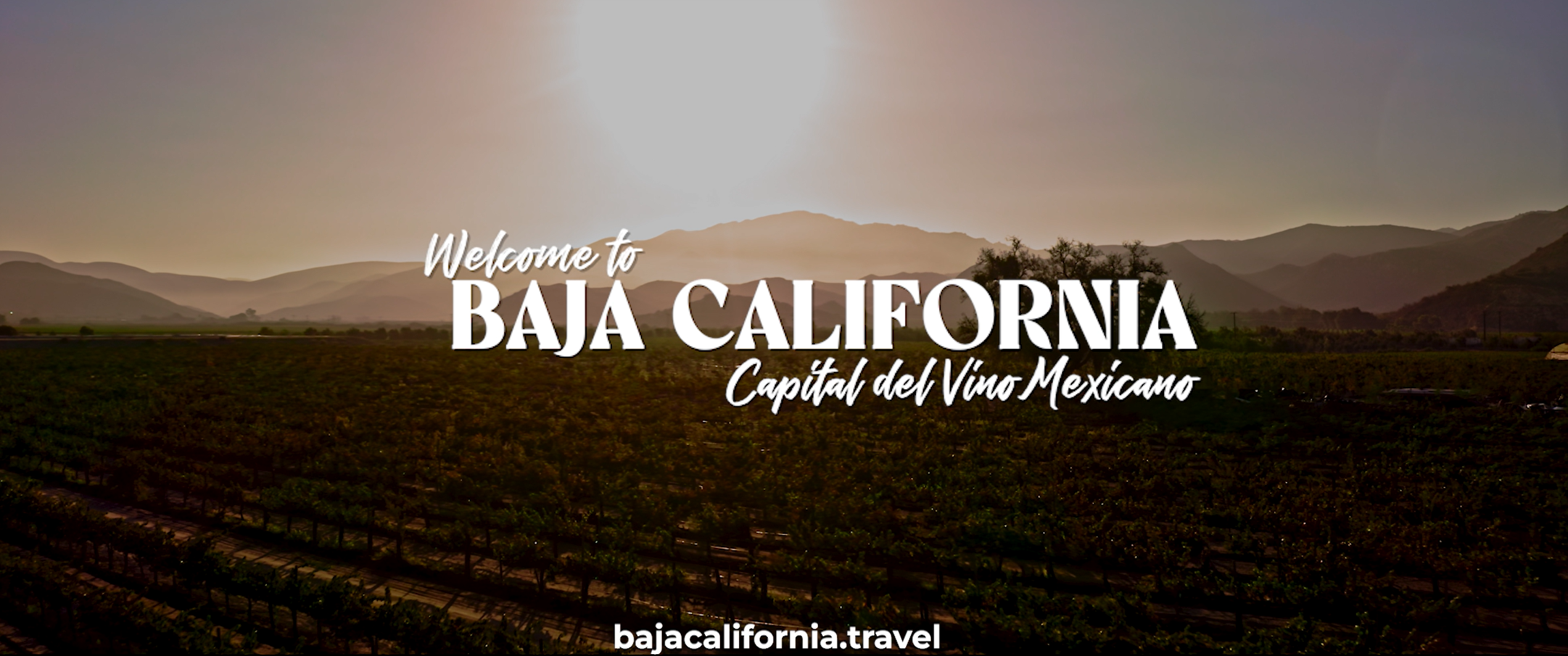
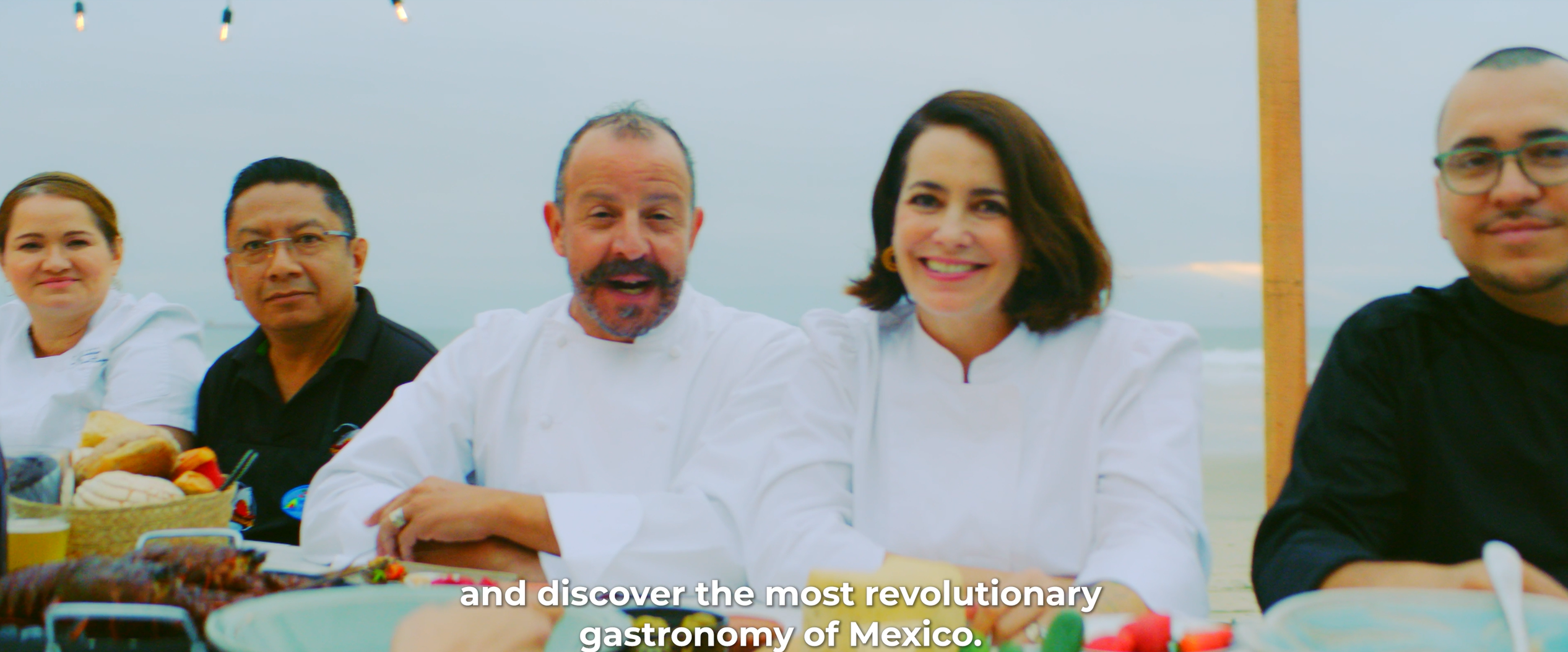
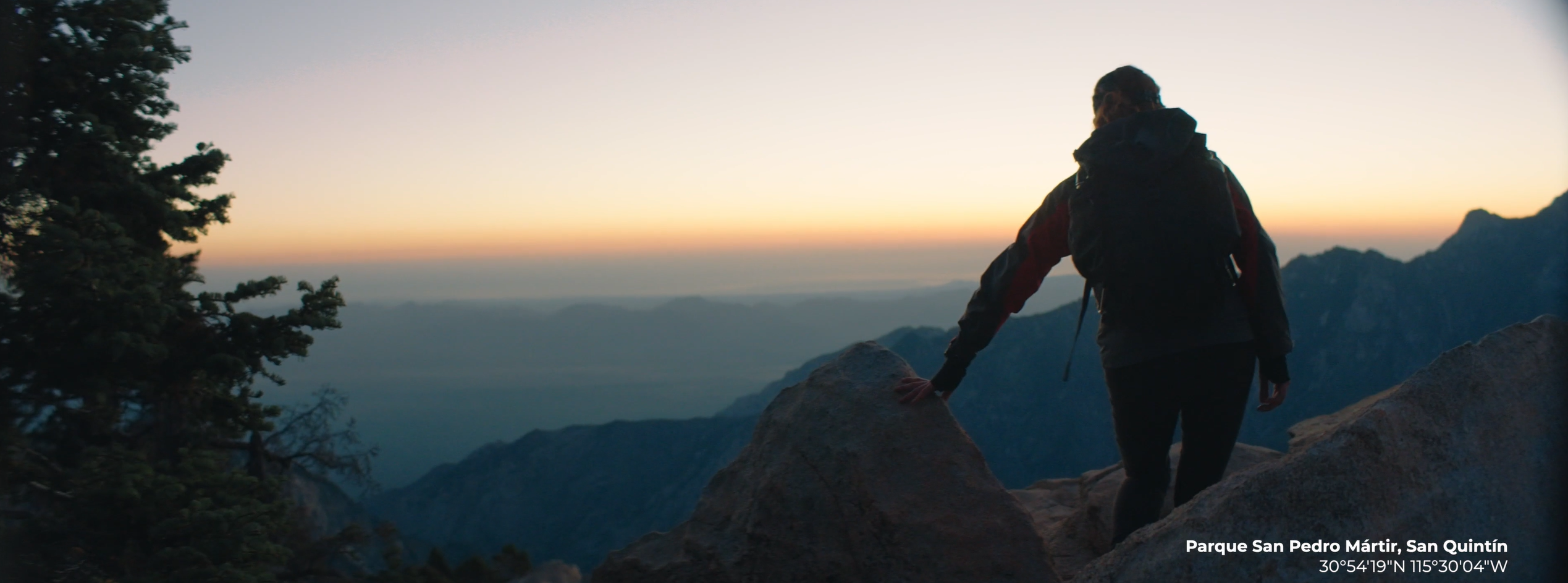
Over the past five years, I’ve had the opportunity to develop tourism campaigns for the Baja California region: Baja Norte, The Road Awaits, Welcome to Baja, Capital of Mexican Wine, and Mexico’s Most Revolutionary Gastronomy. In each of them, I’ve tried to uphold a fundamental premise: it’s possible to create advertising that isn’t extractive, that doesn’t commodify the landscape or exoticize the people; advertising that invites viewers to look with respect, to travel carefully, and to consume mindfully.
The tourism industry, empowered by advertising, is capable of turning villages into destinations, territories into products, and cultures into spectacles. The question that constantly haunts my work is: what version of a place are we selling? And at what cost?
To advertise a site is not merely to put it on the world’s radar—it’s also to assume the responsibility of how that world will see it, traverse it, temporarily inhabit it, and, with luck, value it.
I’ve learned that every tourism narrative carries a political vision of space. The Welcome to Baja campaign, for example, wasn’t just a simple greeting; it was a statement of identity and belonging for the region’s inhabitants. More than attracting tourists, it aimed to reconnect locals with their land, to spark pride. We didn’t want to show an idealized destination for outsiders, but a real, powerful, and complex territory—one that could be appreciated from the inside out.
Capital of Mexican Wine and Mexico’s Most Revolutionary Gastronomy are two campaigns that show how advertising can serve as a cultural mirror. In both, we aimed to highlight not only the products—the wine, the ingredients, the dishes—but also the trades, the hands, and the stories behind each glass and each plate. The goal wasn’t just to attract visitors, but to honor those who make it possible for Baja California to have a voice in the global conversation on wine and cuisine. Sometimes, a good tourism campaign is not the one that fills hotels, but the one that allows a farmer or a fisherman to see himself on a screen and feel part of something valuable.
In all these advertising exercises, the aesthetic of respect has been central. Respecting the territory means not falsifying it. Not altering its essence to make it more sellable. It means choosing shots that don’t ignore what’s marginal, don’t hide what’s complex, and don’t erase history in order to “beautify.” Respect also means constantly asking ourselves whether the message we’re transmitting promotes conscious tourism—or simply an accumulation of likes, of visitors, of consumption.
From this perspective, I understand tourism advertising as a double-edged sword. It can be the first step toward overexploitation of a place, but it can also be a way to educate the traveler. A well-thought-out tourism campaign doesn’t just say what to do in a place, but how to do it: What not to touch. What not to take. What to observe in silence. What to appreciate.
The risk is always there. Places that go viral run the risk of dying from success. I’ve seen pristine beaches turned into dumps, historic centers converted into selfie backdrops, communities displaced by the price of progress. But I’ve also seen how a good narrative can strengthen social fabric, protect a tradition, empower a community.
Creating tourism advertising today requires a new ethic. It’s not enough to show beauty—you have to show responsibility. It’s not enough to invite people to come—you have to invite them to care. The real challenge is to create campaigns that work as portals, not traps. That allow the visitor to enter a place without destroying it, without invading it, without stripping it of its meaning.
In the end, I believe tourism advertising is like telling someone about your home: you can lie and show only the pretty parts, or you can share the real thing, with pride—with both its light and its shadows. In that honesty lies the possibility of a fairer, more humane, more sustainable form of tourism. And in that vision, advertising ceases to be a monster and becomes a bridge.
Let me know if you’d like this formatted as a document or need help adapting it for a presentation or campaign.